Genres are supposed to help define a story—but like music, they rarely stay in neat categories. In books and on screen, those labels shift and evolve, making them as useful as they are complicated. Like calling a band dream pop or shoe gaze, the lines often overlap.
Here’s a guide to some of the most common book-to-screen genres, with examples.
Adventure
Stories centered on journeys, quests or exploration.
Example: “Jumanji”
Autobiography/Memoir
Stories based on a person’s real-life experiences, often told from a personal perspective.
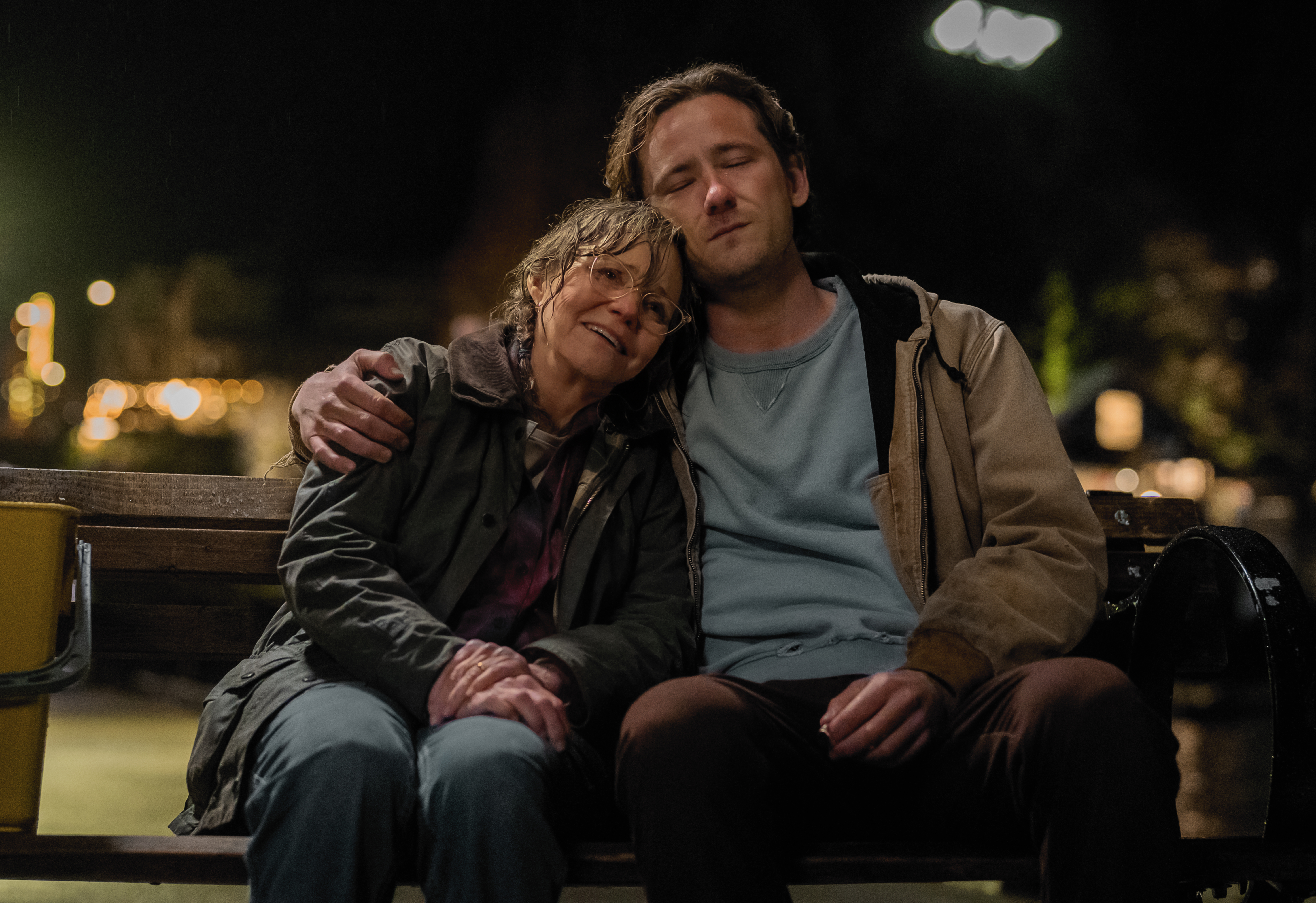
Example: “Strangers”
Biographical
Stories that chronicle the life of a real person.
Example: “Ford vs. Ferrari”
Coming-of-age
Stories that follow characters through personal growth or transition into adulthood.
Example: “Tomorrow, and Tomorrow, and Tomorrow”
Children’s
Stories written for younger audiences, often featuring moral lessons or imaginative worlds.
Example: “Propeller One-Way Night Coach”
Contemporary fiction
Stories set in the present day that focus on modern relationships, identity and social dynamics. Example: “Normal People”
Crime thriller
Fast-paced stories involving criminal activity, often with high stakes and tension.
Example: “The Silence of the Lambs”
Dystopian
Stories set in broken systems—governments, societies or environments—where control is often the focus.
Example: “The Hunger Games”
Fantasy
Stories set in imagined worlds with magic, mythical creatures or supernatural elements.
Example: “The Lord of the Rings”
Gothic
Dark, atmospheric stories featuring decay, isolation and psychological tension.
Example: “Frankenstein”
Historical drama
Stories set in the past that often blend real events with fictional characters.
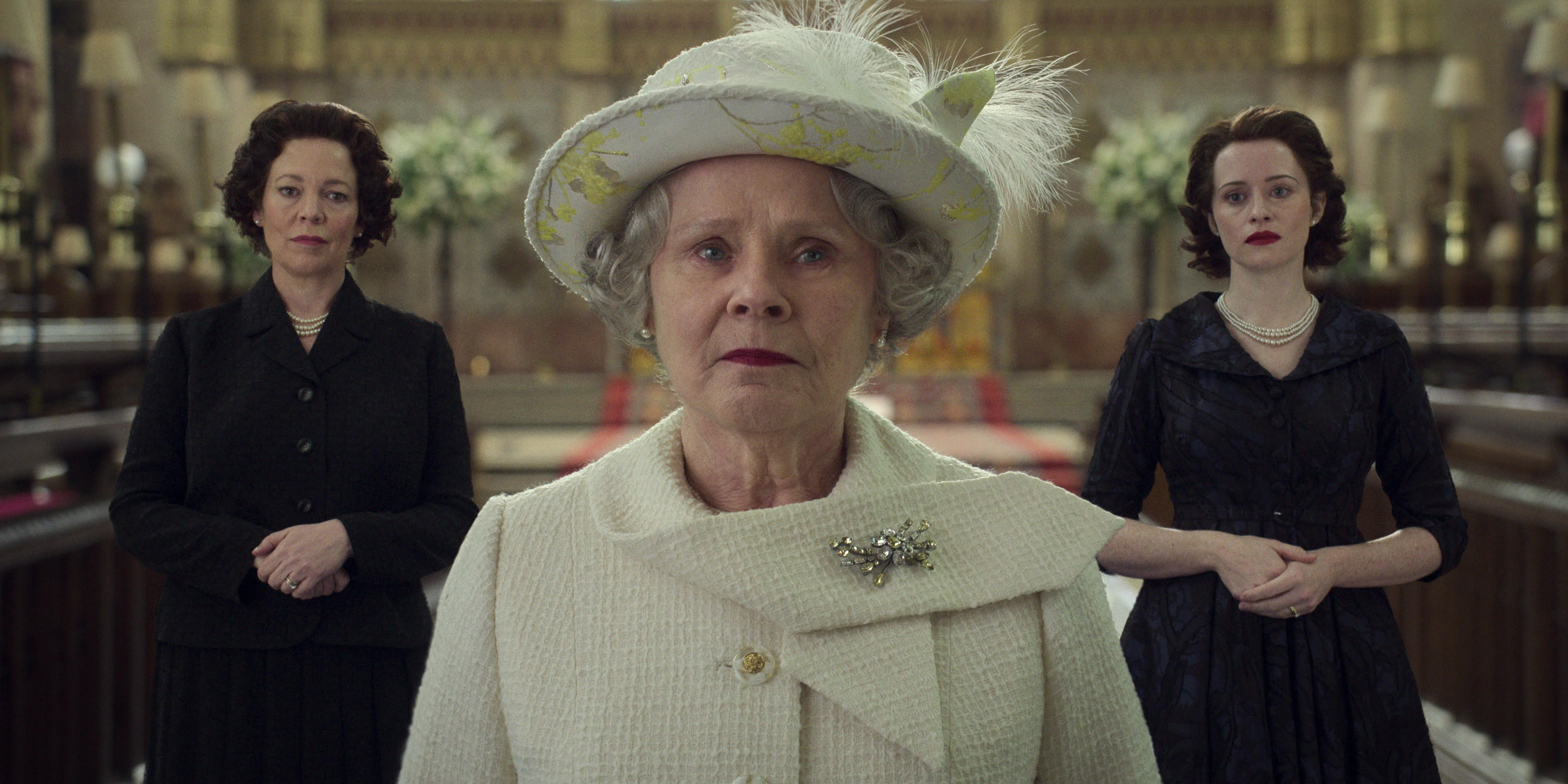
Example: “The Crown”
Horror
Stories designed to frighten, often involving supernatural or psychological elements or blood and gore.
Example: “Dracula”
Literary adaptation
Character-driven stories often focused on internal conflict or theme.
Example: “Pride and Prejudice”
Mystery
Stories built around solving a crime or uncovering a secret.
Example: “Scarpetta”
Noir
A mood-driven crime style centered on moral ambiguity and flawed characters. There are many subgenres of Noir, including Classic, Domestic, Neo-noir, Nordic noir and Tech noir.
Example: “Strangers on a Train”
Romance
Stories centered on relationships and emotional connection.
Example: “People We Meet on Vacation”
Romantasy
A blend of romance and fantasy where relationships drive the story as much as the magic.
Example: “Outlander”
Satire
Stories that use humor, irony or exaggeration to critique society or institutions.
Example: “American Psycho”
Sci-fi
Stories driven by science, technology or future worlds.
Example: “Project Hail Mary”
Young adult
Stories centered on teenage protagonists, often dealing with identity and relationships.
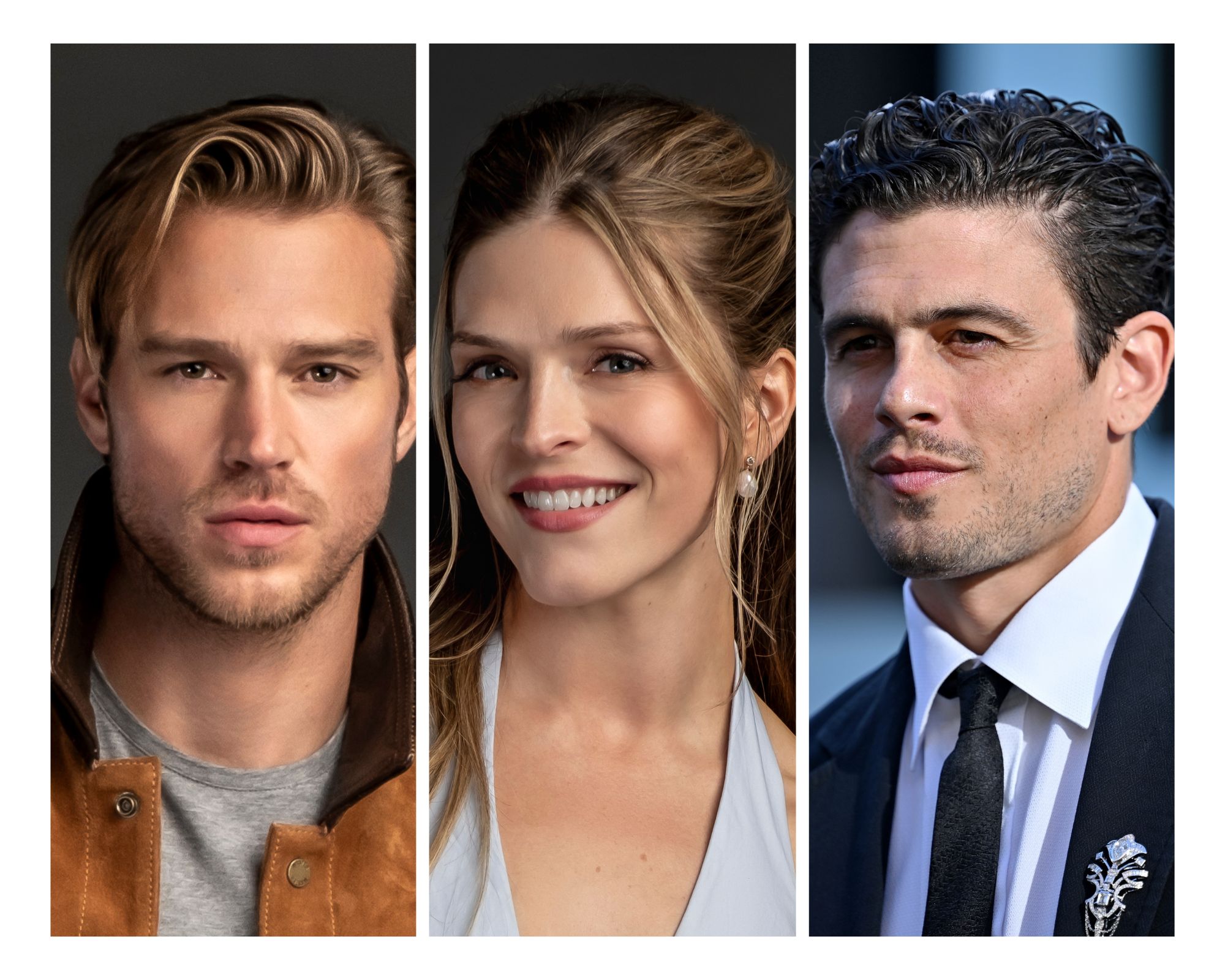
Example: “My Life with the Walter Boys”




Leave a Reply