

The good, the bad, and the ugly. Not a Western in this instance, but another excellent Scandi Noir series currently available on Netflix—“The Chestnut Man: Hide and Seek.” That’s the good part.
The book that it’s based on, Soren Sveistrup’s “Hide and Seek” is the ugly. Only somewhat ugly, to be fair. Having buckled down to read all 560 pages of the author’s second novel featuring Detectives Naia Thulin and Mark Hess, it was at times tedious. The novel emphasizes certain Scandi noir traits, such as introspection and private deliberations. These serve as explanatory devices to unravel a character’s attitudes and actions, but some brevity could have been employed without damaging the narrative.
The Chestnut Man: Hide and Seek
Director: Kasper Barfoed and Mikkel Serup
★
★
★
★
3/5
★
★
★
★
4/5
The bad? That you’ll have to find out on your own, but here’s a hint—the streaming series features a HUGE departure from the book. The rationale for it is dubious, supposedly to “raise the stakes” for the audience and “change the trajectory of the narrative,” but it’s a dumb decision that many will feel ruins the second season. Viewers who watched the first season of the series (“The Chestnut Man”) are likely to be disappointed and for good reason. Having said that, the matter is closed here.
First, the novel. Translated by Ian Giles instead of the first book’s Caroline Waight, something seems lost this time around. The children’s counting nursery rhyme that is central to the plot is the Danish version of “one, two, buckle my shoe.” This becomes “count up to one, count up to two. Hen won’t put socks on and doesn’t wear shoes” etc., in the Danish version. You could have a birthday in the time it takes to get to 10. Obviously, the Danish version differs from the English one, but it’s employed frequently and lessens some of the suspense the author builds toward.
For all the verbiage in the novel, the author introduces the character Aksel (Thulin’s father’s partner on the police force) without any background or explanation. Fans of the introductory works may recognize him, but for new readers and viewers it takes a while before his presence is explained.
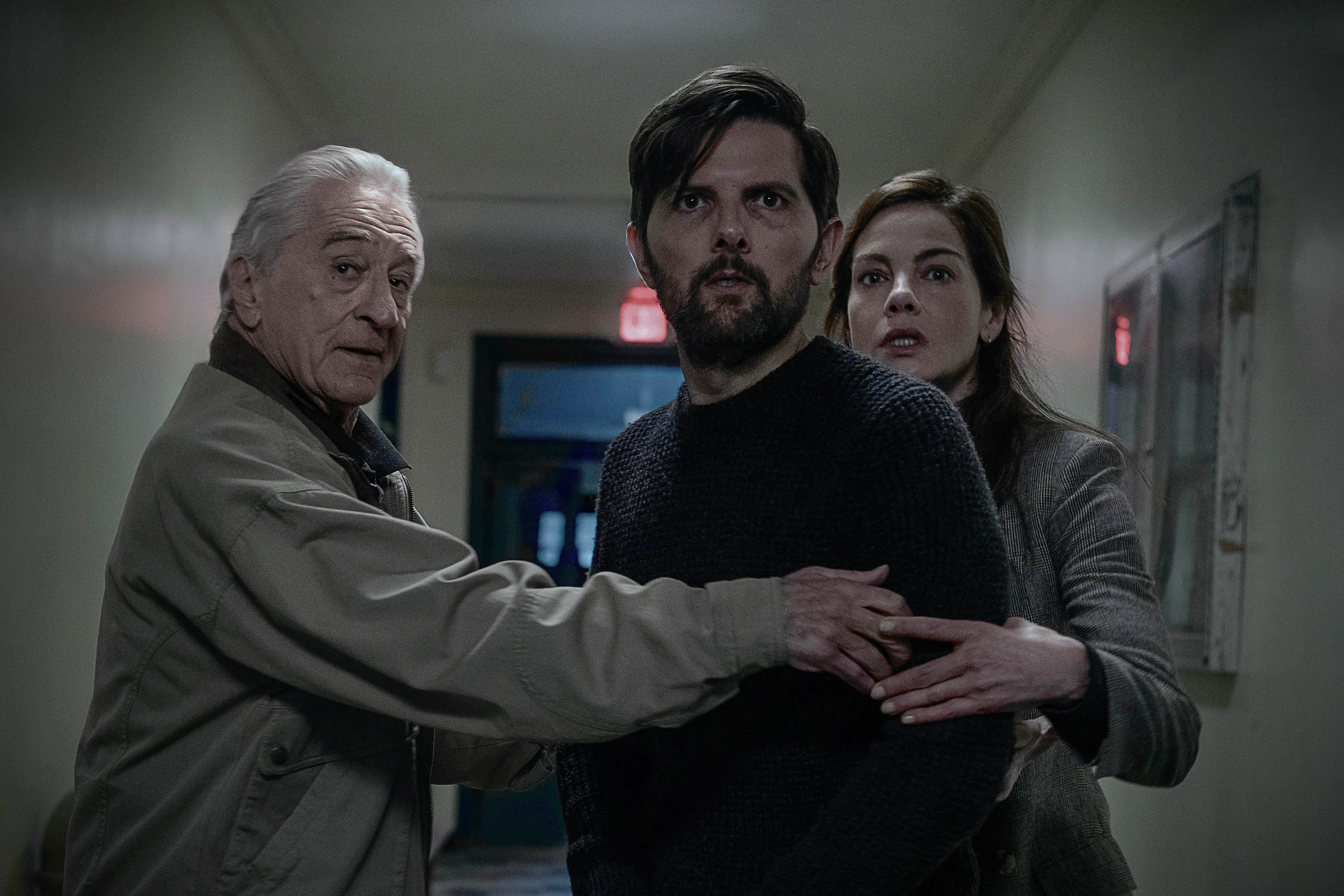
Repetitive evocations of Denmark’s snowy climate wear a bit thin and contribute to the lengthiness. Here an editor could have done more to lessen the verbosity and tighten up the narrative, as the plot itself is actually top notch. As in the streaming series, the nursery rhyme is a device used by the villain to terrify the victims, as they’re relentlessly stalked and sent pictures of themselves taken covertly. It ends with a photo taken mere seconds before and a “GOTCHA” message. At this point the victims are gruesomely dispatched. Men and women both share grisly fates, which harken back to a 30-year-old murder case that Thulin’s father worked on. She and her partner Hess race to save the message’s recipients, but it’s here that an extremely annoying habit is employed in both formats.
Simply put, ANSWER YOUR PHONES! At crucial moments, our heroes decide they just can’t stop what they’re doing to take critically important calls and instead rush off somewhere, in one instance to a place with no cell reception. It’s a patently bad habit for detectives. Perhaps it’s a device to drive some of the narrative, but it’s annoying. This happens much more frequently in the novel, but is present in the series to a lesser degree.
In the streaming series another drawback is that the stalking victims don’t bother to close their blinds or draw their drapes. Danish dwellings, at least the ones featured here, all seem to feature a lot of windows, usually large ones that are perfect for taking pictures of the victims and their families in private moments. Why they remain open to the public under such circumstances is strange.
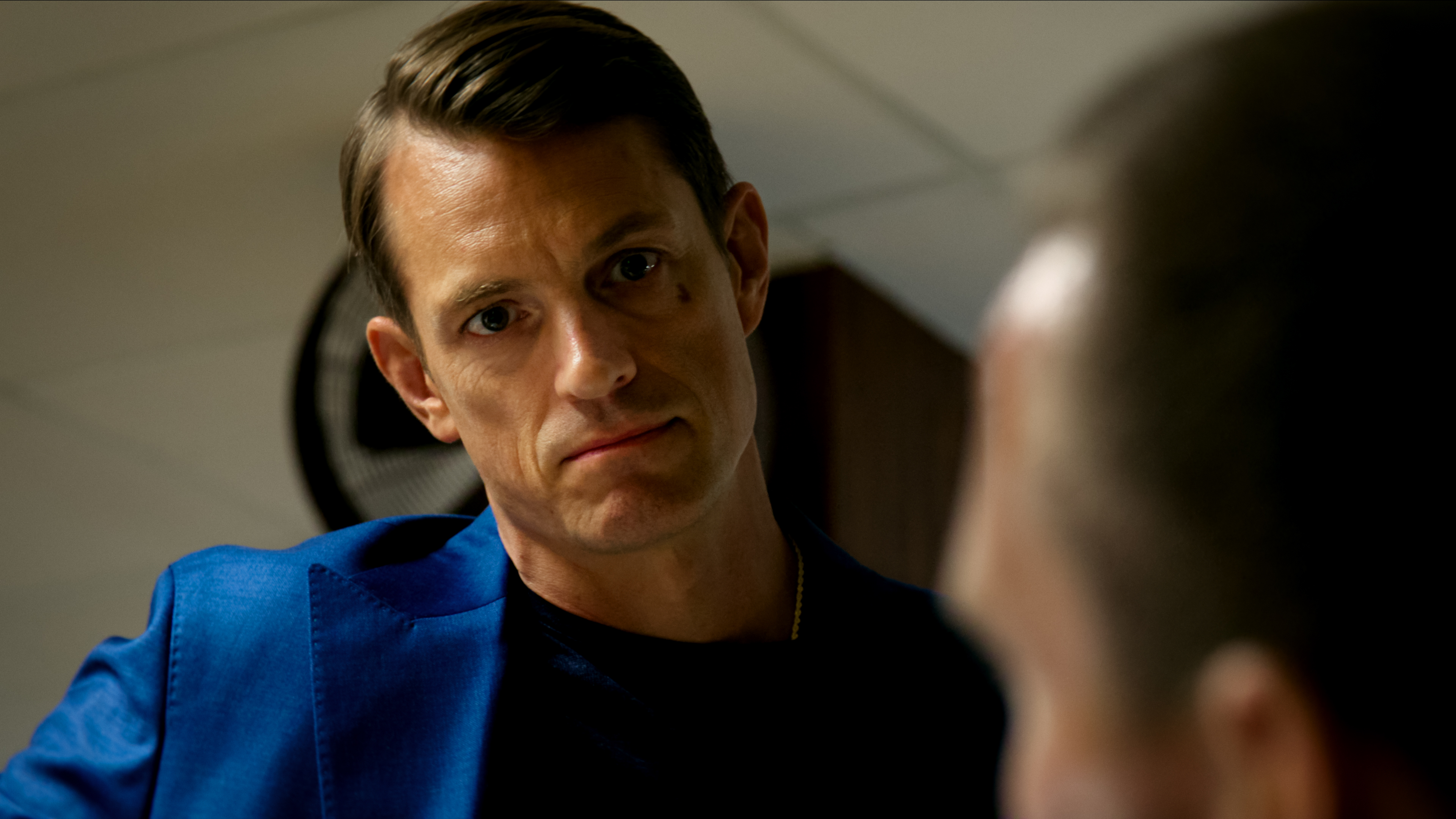
The streaming series consists of six episodes slightly less than an hour in length apiece, and it’s here that Sveistrup’s talent truly shines. Distracting side plots such as the illness of Hess’ brother Jon are almost completely removed and the condensed narrative takes off. The action is much more suspenseful and the villain is truly a force of evil. There’s a major twist toward the end, as the villain’s identity is revealed.
It was interesting that male characters from the novel were replaced by women in the series, particularly in law enforcement roles. Except for Hess and to a lesser degree Aksel, men are not prominently featured and the ones that do appear have less significant storylines. The major roles are Thulin, her daughter, a female partner on the force, their boss, and the mother of a victim (who has a large role in both narratives). The role of the daughter Le, in particular, figures prominently in both works, and she seems to matter more in the romance between Thulin and Hess than the relationship itself.
There is one explosive scene in the series that does not appear at all in the novel. It is very well done and while the violence is shocking, it’s not gratuitous. It’s also the departure point for the action that follows.
If you have plenty of time to devote to the novel, plow ahead. The streaming series is tighter, moves quickly, and with one giant exception, is a more engrossing product.
About the writer
Lori DuVall-Jackson is a Buffalo resident and graduate of Canisius University. Her passions include crime, music, and wildlife conservation. Her columns are published monthly in the My View section of the Buffalo News. Past work includes editorial credit for her contributions to “Charles Burchfield’s Journals-The Poetry of Place,” published by SUNY Press.


Leave a Reply