The story of Carrie White, the teen girl with telekinetic powers who’s bullied just one step too far, is perhaps one of the most well-known horror tales on both screen and page.
“Carrie” is the first story Stephen King ever told most of us. It was his first published novel in 1974—thank you, Tabitha King, for literally rescuing this one from the trash—and two years later, a blood-drenched Sissy Spacek filled our nightmares in the quintessential adaptation of the book by Brian De Palma.
Carrie
Creator: Mike Flanagan
★
★
★
★
5/5
★
★
★
★
5/5
One might be forgiven for thinking there’s not much left to tell of the story, especially after the perfection that was the De Palma film and a handful of dismal retellings and sequels in the 2000s.
But frequent King adapter Mike Flanagan decided to take a swing at the book—albeit in series form—and we’re all the better for it.
I’ll start by saying I’m not even going to attempt to pit the 1976 film and the new series against each other. Despite having the same source material, they’re two different beasts—products of their times and respective filmmakers. While the Spacek film belongs firmly among the oeuvre of 70s teen slasher films, the new series is pure Flanagan—a meditation on grief and trauma that always manages to find the beauty and humanity at the heart of a horror tale.
I’m not watching these adaptations for the same reasons.
For a King novel, “Carrie” is relatively short. I imagine filmmakers don’t have too much trouble paring down his words to fit a standard 90ish-minute film. Flanagan said, “Nah, I need more room to put my spin on this thing.”
The Prime Video production is the first series adaptation of “Carrie,” allowing Flanagan to tease out backstories, further develop characters he finds interesting and even add some new elements to the story that I’m not allowed to mention here. It’s that extra screentime that lets Flanagan really heighten the themes of the story that he’s come to be known for.
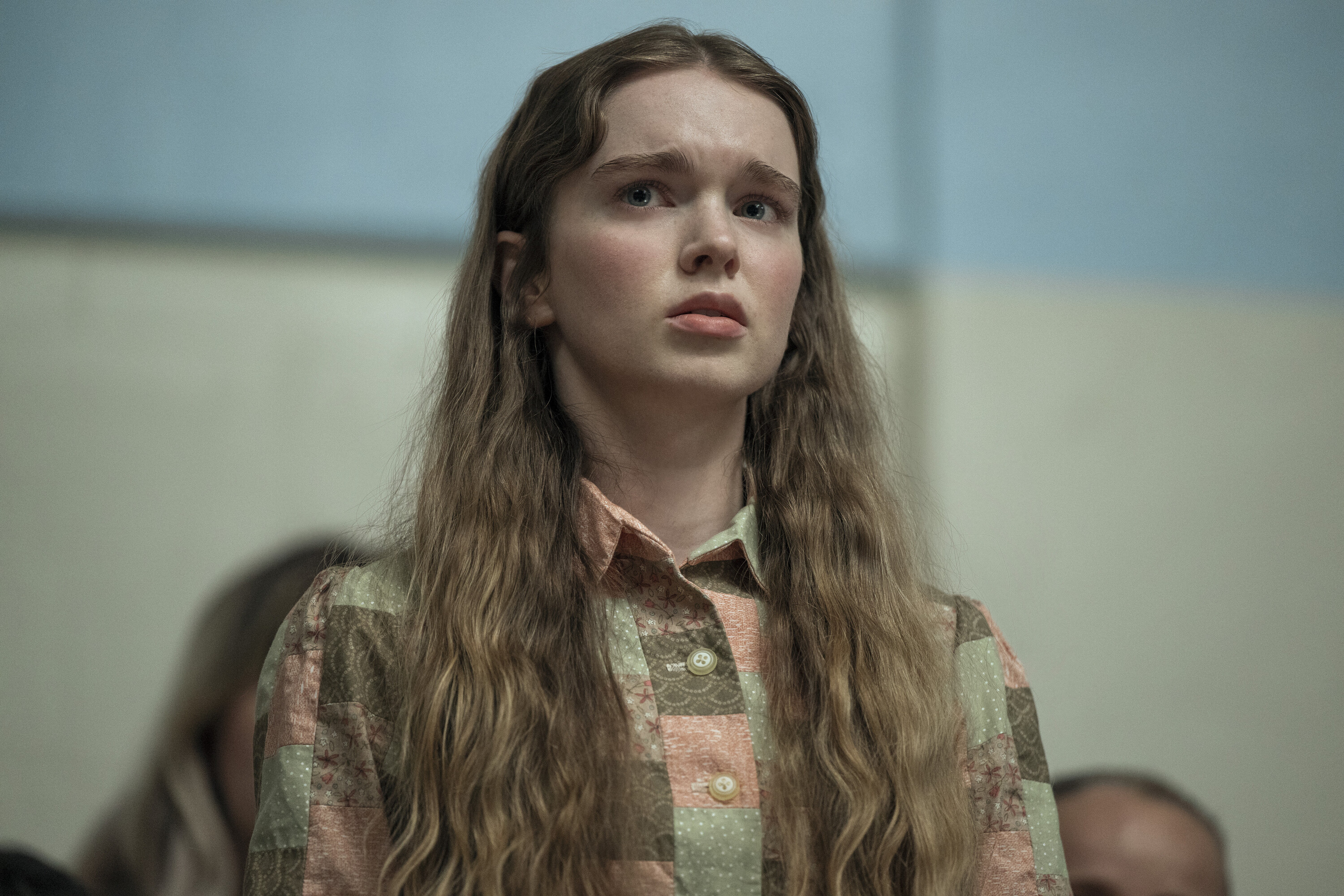
There are some obvious changes from the book, of course. This version is set in the current day. Bullying is taken to the extreme with cellphones and social media. Carrie (Summer H. Howell)’s iconic locker room panic attack is recorded on video for posterity and spread far and wide among her classmates. Carrie doesn’t have a phone and seems mostly ignorant of their capability, driving yet another wedge between her and her classmates.
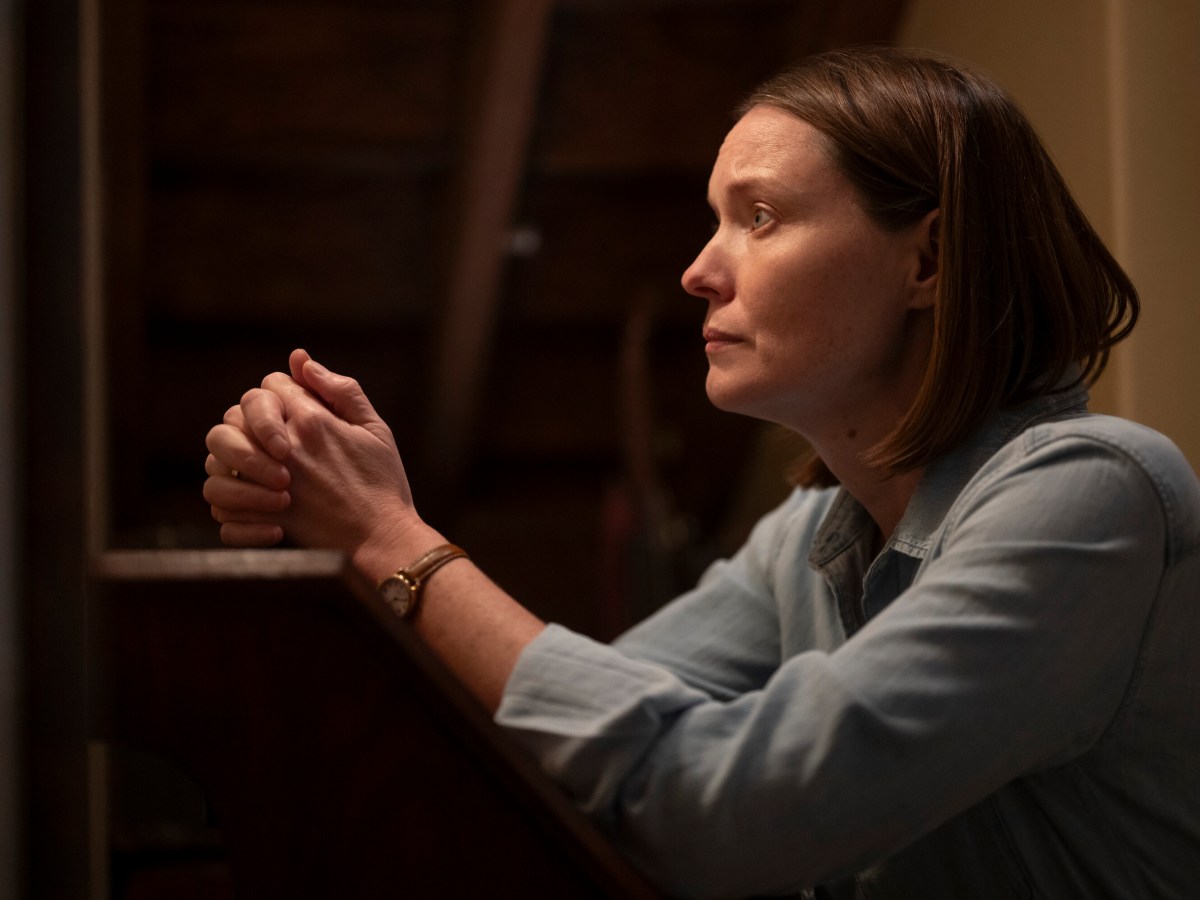
But what I think is one of the most interesting changes that speaks to Flanagan’s approach is Carrie’s father, Ralph (Tahmoh Penikett). In the book, Ralph dies in a construction accident before Carrie is even born. She has no memories of the man and is raised entirely by her fundamentalist mother Margaret (Samantha Sloyan).
The series opens with Ralph’s death. Carrie is a teen and has lived her whole life largely insulated at home with only her mother and father. No one beyond a neighbor knows she exists. She doesn’t even have a birth certificate.
For Carrie, Ralph is literally 50 percent of her entire world. His death has upended that and rockets her out into the real world for the very first time in her life. At 15, she attends school for the first time. She makes friends for the first time. And has largely unfettered access to books, knowledge and new points of view.
Like the novel, Carrie is wide-eyed, awkward and naive. But Flanagan takes the time to really dive into her wonder at her new world. She’s eager to make friends and read everything she can get her hands on. Her opportunities seem unlimited, but her guilelessness makes her a target for the mean girls at school, namely Chris Hargensen, played by Alison Thornton. Carrie must also now face the dystopian realities of modern high schools—active shooter drills and social media hierarchy.
Meanwhile, she’s being haunted by her dead father. He shows up in her dreams, never saying a word, but frightening her all the same. In one of the more moving performances by Howell in the series, Carrie asks her school counselor Peter Morton (Tim Bagley) if it’s normal to see things that aren’t there.
She tells him that since her dad’s death, she’s “seen him … and other things.” At this point she’s already been tipped off to her telekinetic abilities.
“Don’t get me wrong—I want to see him. I miss him all the time,” she says.
“It doesn’t feel normal, and I guess I know that I’m not normal in a lot of ways.”
This contrast between the horror of repeatedly seeing her dead father and delighting in her new experiences comes to a head after she returns home surreptitiously from a party to find Ralph sitting at the kitchen table. Tipsy from the evening, she smiles as she greets him and assures him she “had a good night.” He doesn’t say a word and his face gives little away—would Ralph White have minded his daughter drinking and attending a school party, or was Margaret the only overly protective one in the family?
This is the kind of scene that makes Flanagan so special—the mixture of horror and bliss, trauma and love. We see it in the closing scene of “Midnight Mass” as Riley (Zach Gilford) imagines himself finding a sort of absolution for his past sins as a horrified Erin (Kate Siegel) watches his body combust. We also see it in Nell (Victoria Pedretti) in her bittersweet dance with her dead husband Arthur (Jordane Christie), an illusion set as a trap in “The Haunting of Hill House.”
Through her grief and wide-eyed joy at experiencing the world for the first time, Flanagan gives viewers a Carrie we can empathize with. She’s charming and likeable despite her general lack of knowhow. You desperately want good things for her and to protect her from her bullies. These brief moments of happiness settle in as a dread for what many viewers already know will be her fate.
About the writer
Danielle Haynes is the co-founder and co-editor of Booked & Screened. She’s been a fan of Stephen King since she—against sound judgment—read “The Shining” at age 12. She would also happily watch Mike Flanagan adapt every single thing King has ever done.


Leave a Reply